

04:25:00 27.04.2026
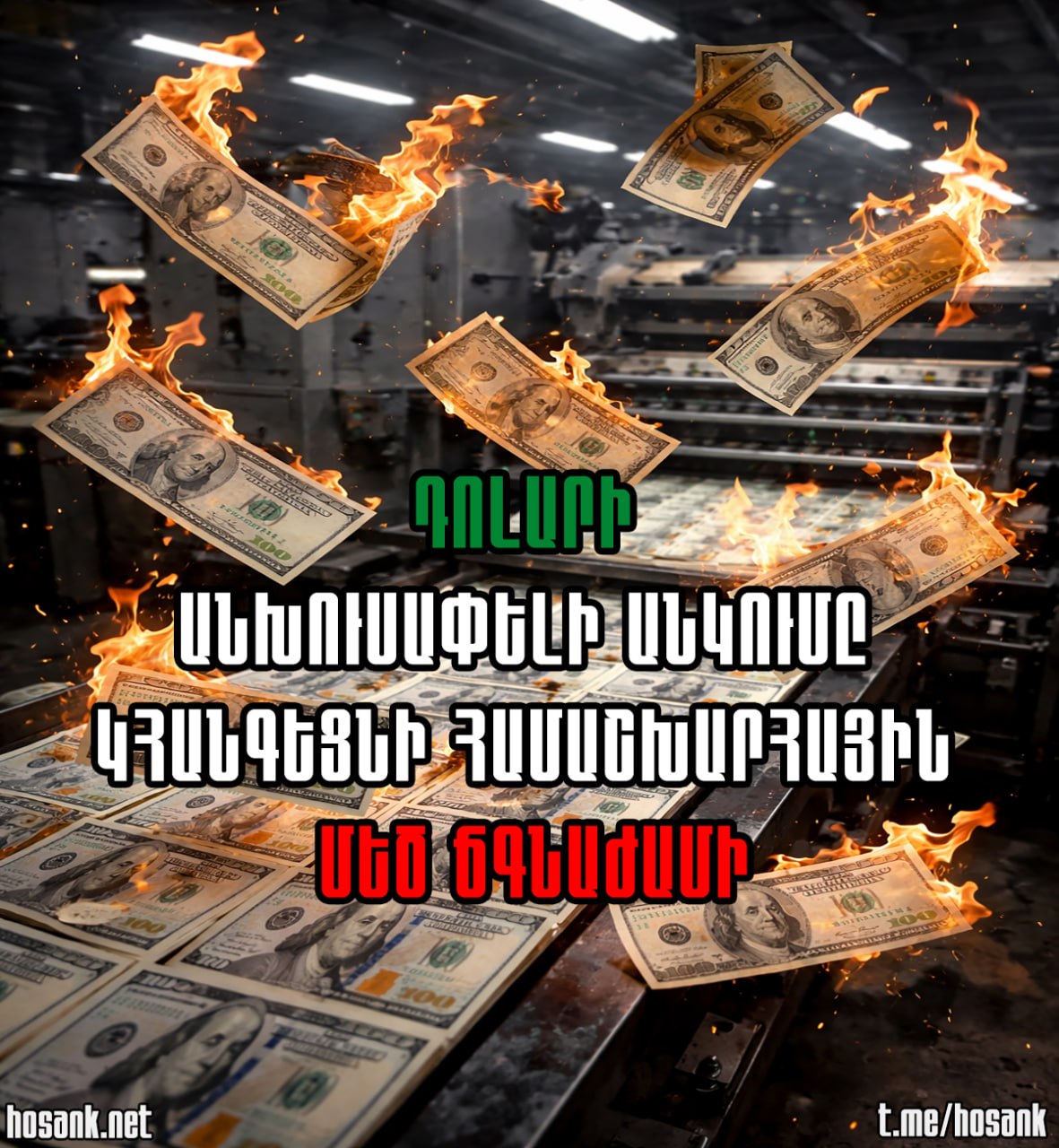
The Bretton Woods system was established in July 1944 during an international conference held in Bretton Woods, New Hampshire, USA, before the end of World War II. The main goal of the system was to create a stable global monetary and trade system, where each country’s currency had a fixed exchange rate against the U.S. dollar, and the value of the dollar was tied to gold at a fixed rate (35 dollars = 1 ounce of gold). As we know, the “gold standard” had been in effect in the United States since 1900.
After the disastrous end of World War II, the dollar became the central currency because the United States possessed most of the world’s gold, its economy was the strongest, and Europe and Asia were devastated. However, on August 15, 1971, the system collapsed when U.S. President Richard Nixon ended the dollar’s convertibility into gold. The system could no longer function because foreign countries began demanding gold in exchange for their dollars, and in the 1960s–70s, U.S. gold reserves began to fall short.
Afterward, the United States needed a way to maintain global demand for the dollar. For this reason, attention shifted to “black gold”—oil. As a result, in 1973–1974, the U.S. closely cooperated with Saudi Arabia and other OPEC members. Oil prices began to be set globally in dollars, and in return, the U.S. provided military protection and strategic support. As a result of this system, the dollar came to be known as the “petrodollar.” The sale of oil is not legally required to be conducted in dollars worldwide, but the global market is structured in such a way that dollar pricing has become the de facto standard. Moving away from it is possible, but costly and risky.
After the end of the gold standard, the United States was able to maintain the dollar’s dominant position in the world through the oil-based system. However, it should be noted that since 1971, both inflation and external debt in the U.S. have increased significantly, because the Federal Reserve continuously prints money, and it does not actually answer to the U.S. government. This is why the dollar loses value year after year.
And now, seeing what is happening in the Middle East, it is not difficult to expect that, just as the Bretton Woods system collapsed 55 years ago, the petrodollar system will also collapse in the near future, which will lead to a major global economic crisis—a crisis that will be far greater than the one that began in 1929. The inevitable fall of the dollar will most likely be the wind that will bring down this entire house of cards of the current Jew world order.
#This_Time_the_World
Subscribe and receive news to your email address.
Comments