

09:04:00 14.08.2026
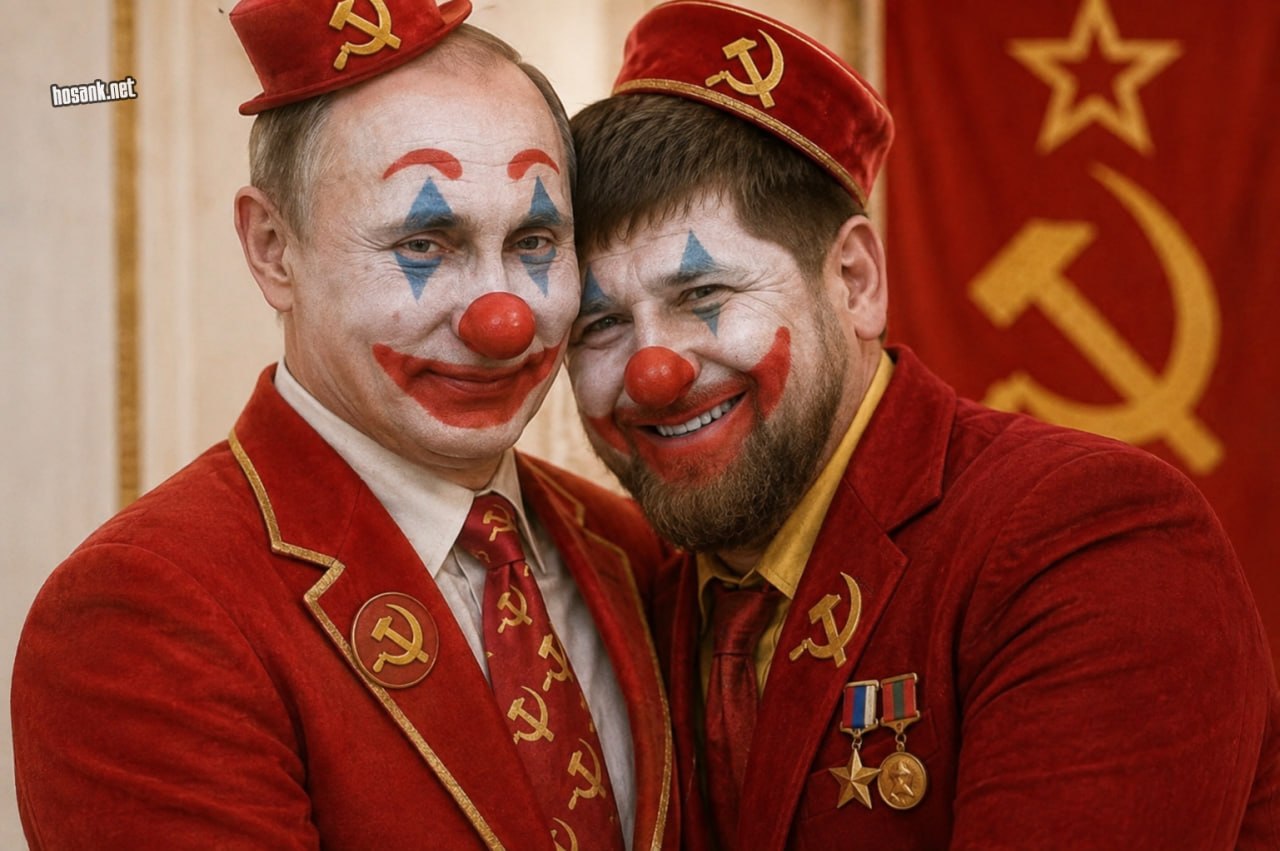
Putin’s approval rating is steadily declining, and his position is becoming increasingly vulnerable not only inside Russia but also on the international stage, as the war against Ukraine continues to result in enormous human, military, and economic losses. Russia still has significant military and economic resources, but the war has become a prolonged war of attrition for it. Even his allies, such as the leaders of Kazakhstan and China, are gradually beginning to distance themselves from him because they see his incompetence and weakness. Inside Russia, he is also gradually losing his allies, and the number of people who may be prepared to remove him from power and carry out a coup at the right moment is increasing day by day.
In this context, it is noteworthy that the head of the Chechen Republic, which is part of the Russian Federation, Ramzan Kadyrov—one of Putin’s most loyal subordinates and puppets—is in poor health, and according to circulating reports, his condition is quite serious. Historically, the Chechens have repeatedly rebelled against the Russian Empire, while over the past more than two decades, the Kremlin has managed to maintain relative stability in Chechnya by relying heavily on the Kadyrov family’s rule.
Since 2000, an unwritten political arrangement has existed between Moscow and Akhmad Kadyrov, under which the Kremlin provided the Kadyrovs with broad political and financial support and substantial autonomy in the internal governance of Chechnya, while the Kadyrov regime was expected to guarantee loyalty to Moscow, maintain stability, and suppress separatist forces. This system of relations was later passed on to Akhmad Kadyrov’s son, Ramzan Kadyrov.
At the same time, it must be remembered that the Chechen people are not the same as the Kadyrov regime. The confrontation between the Chechens and Russian imperial rule has a long history. Therefore, the weakening of the Putin–Kadyrov system could create new opportunities for forces in Chechnya opposed to Moscow’s rule, because the idea of Chechen independence and the history of armed struggle against Russian occupation has not disappeared, while anti-Kadyrov and anti-Russian Chechen forces also exist abroad. In such a situation, the Kremlin will most likely act quickly to prevent a power vacuum from emerging in Chechnya. However, in my opinion, this process could be much more difficult for Moscow than it may appear at first glance, especially as economic, political, and military problems inside Russia continue to grow.
In short, the Putin–Kadyrov “communist love” relationship is, one way or another, approaching its end, and Kadyrov’s departure could become a cause of new instability in Chechnya. In an extreme scenario, it could even contribute to the emergence of a new Chechen rebellion within the borders of the Russian Federation. The situation of the neo-Bolshevik “tsar” is very serious and is likely to become even more serious when different crises in the Russian Federation begin to converge at the same time.
The Chechens are not allies of us Armenians, since during the years of the Artsakh Liberation War, a number of Chechen forces supported the Azerbaijani side and fought against Armenian forces. Nevertheless, if a struggle against Russian domination begins again in Chechnya, I will only welcome that struggle...
Subscribe and receive news to your email address.
Comments