

08:49:00 16.04.2026
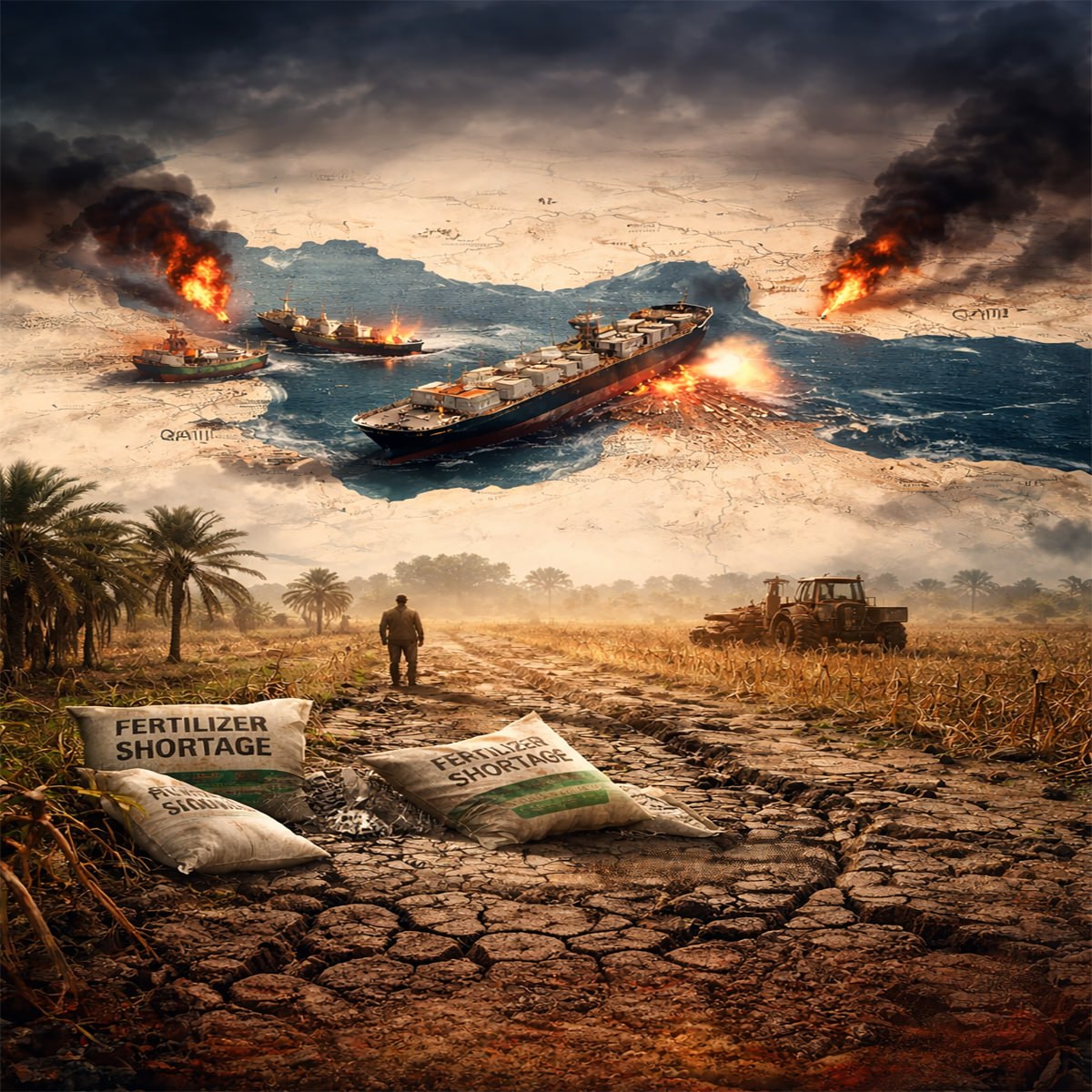
Everyone knows that the Middle East possesses enormous reserves of oil and natural gas. A significant portion of the world’s energy supply passes through the Strait of Hormuz, through which roughly one-fifth of the world’s oil shipments travel. Most people also understand that a blockade of the Strait of Hormuz would cause serious damage to many economies around the world by driving up the price of oil and gas. However, many probably do not realize that the consequences would not stop there. It could also lead to fertilizer shortages, which in turn could trigger a global food crisis.
Modern agriculture depends heavily on nitrogen fertilizers, which are produced through the Haber–Bosch process. This process requires enormous amounts of natural gas, which serves both as a raw material and as an energy source for producing ammonia and urea fertilizers. Several of the world’s major energy and fertilizer exporters are located in the Persian Gulf region, including Qatar, Saudi Arabia, United Arab Emirates, and Oman. Much of their energy exports pass through the Strait of Hormuz.
If this strait were to remain blocked, as we already know global oil and natural gas prices would rise sharply, but also fertilizer production would become far more expensive, and fertilizer shipments from the Persian Gulf would be disrupted. When fertilizer becomes scarce or too expensive, farmers begin using less of it. When less fertilizer is used, crop yields decline.
And this is where the real problem begins. Modern agriculture is so dependent on synthetic fertilizers that, according to many experts, roughly half of the world’s food production relies on them. Even a relatively small disruption in fertilizer supply can ripple through the entire food system — raising food prices, reducing harvests, and causing shortages, especially in vulnerable regions.
When all of this is combined with already rising global inflation, the growing instability of the dollar-based financial system, and the growing conflict between many different countries, we begin to see a dangerous combination of factors that could seriously shake the foundations of the current world order until total collapse.
Difficult times may lie ahead, and we must get ready...
#This_Time_the_World
Subscribe and receive news to your email address.
Comments